
I went into this film ready to roll my eyes…
As someone who grew up fiercely loyal to the great Victorian novels — especially Pride and Prejudice, Jane Eyre, and of course Wuthering Heights — I am usually suspicious of “bold new adaptations.” I like my classics intact. I like my moors windswept and my dialogue faithful. So when I heard the conflicting reviews surrounding this latest version of Wuthering Heights, directed by Emerald Fennell and starring Margot Robbie and Jacob Elordi, I went in cautiously.
And here’s the part that might surprise fellow purists: I liked it.

But let me be clear. Anyone expecting the full sweep of both volumes — the generational revenge arc, the sprawling social tapestry — will be disappointed. This film does not attempt to tell the entire story. Thinking it does is a mistake. What it offers instead is an interpretative adaptation of the essence — the volatile, obsessive love between Catherine and Heathcliff. It narrows its gaze deliberately. It isolates the fevered core. And once I accepted that, I found myself leaning in rather than resisting.
It is not the whole book. It isn’t meant to be. It is a focused, almost fever-dream retelling of a romance that was always destined to implode.
I watched the movie, eyeing each of the charcters closely. I looked for gestures, mimics, and symbols while making out their mental and emotional mind-set.
Let’s talk about Catherine.
From the first frame, I noticed she’s wrapped in bright reds and whites — not subtle, not shy, not apologetic — passion and innocence stitched into every scene she occupies. Red for desire. White for purity. Or perhaps the illusion of it. The symbolism is bold, almost theatrical, and I found myself appreciating that choice. The colour palette does half the psychological work before she even opens her mouth. This Catherine is the neglected daughter, hungry for attention. Heathcliff’s only refuge in a house that bruises him. But she is also sassy, self-aware, occasionally cruel. At times she treats him like a possession, her “pet wolf” who will always return when called.
And yet — when she cries, I forgave her.

Her tears soften her sharpness. Even her moments of immaturity with Nelly felt painfully human rather than villainous. I didn’t see a saint. I saw a young woman desperate to be loved, admired, chosen — and terrified of losing security.
Is she selfish? Yes. Did I still feel for her? Also yes.
Her flaws don’t make her monstrous. They make her human.
Now Heathcliff.
In the early scenes, I didn’t see a monster. I saw a brute, certainly — but a kind one. Guarded, firm and fiercely loyal. He takes the beating from Mr Earnshaw without exposing Catherine, even though it was her rebellion that triggered it. Watching that, I felt the weight of his devotion. He absorbs punishment like a shield. Not because he is weak, but because he loves her.
The childhood portrayal moved me more than I expected. I saw a rough-edged boy, angry at the world yet still craving affection. He hasn’t given up. He still believes love might rescue him. He still believes Catherine might choose him openly.
And that belief is what makes his transformation so painful to watch.
When he overhears part of Catherine’s confession to Nelly — that devastating half-truth — I could almost feel something closing inside him. He leaves not in theatrical rage, but in wounded pride. And when he returns years later, dressed impeccably, I couldn’t help but think: this is a gentleman in costume only. Because while the tailoring is flawless, his actions are anything but chivalrous.
He is mean, arrogant and pompous. At times, a proper arse to everyone in the room — except Catherine. Even in the scene where he provokes her through Isabella, I noticed the flicker and the suppressed longing. The old love still simmering beneath the bitterness. He hasn’t stopped loving her. He has simply learned to armour himself with cruelty.
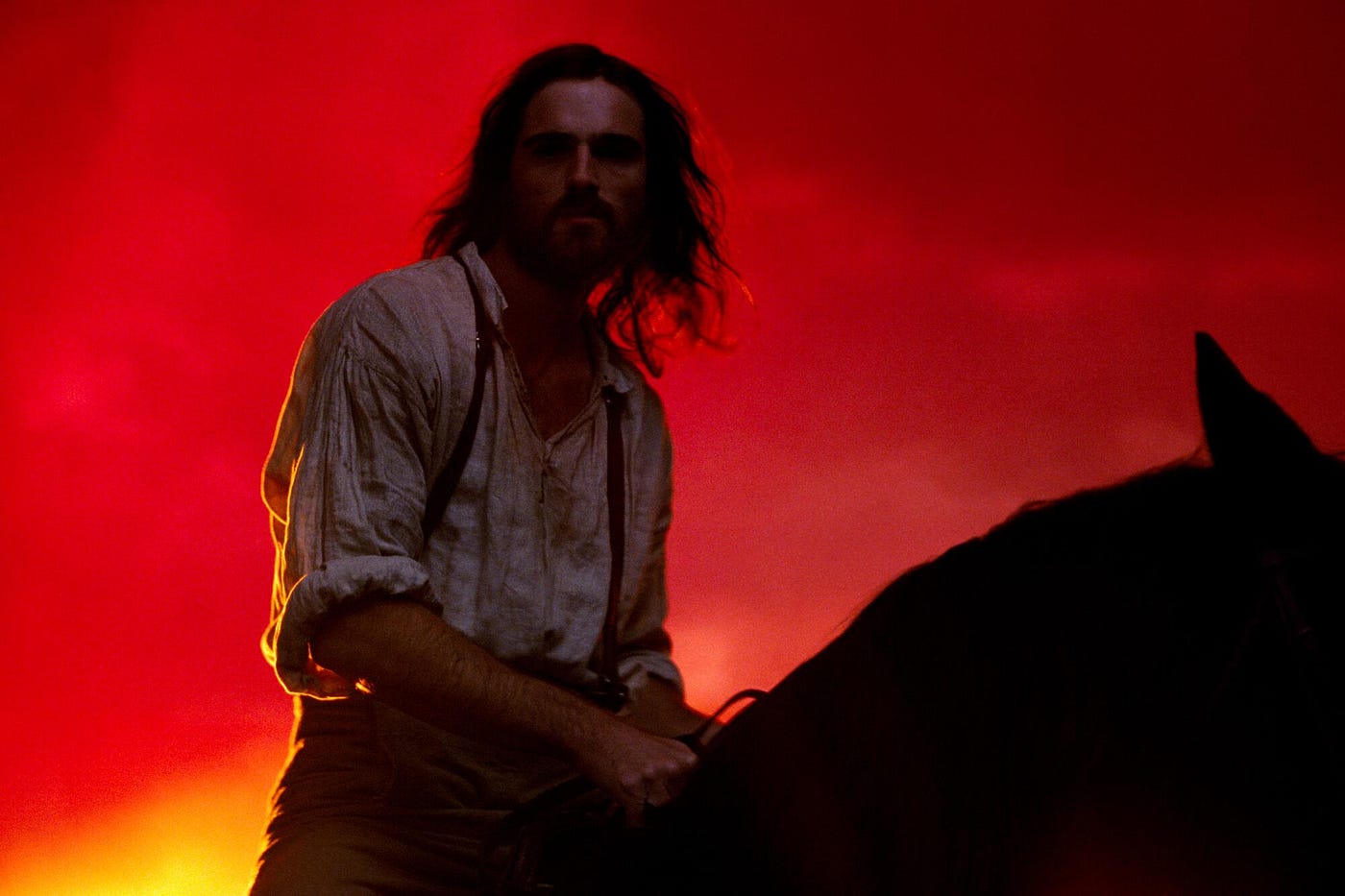
Is he villainous? Yes. But I couldn’t ignore that he is also wounded. And I appreciated that the film never lets us forget that the so-called monster was once a boy who just wanted to be loved.
The childhood versions of both characters were beautifully cast. I found myself smiling at their innocence while quietly worrying about what awaited them. From the very beginning, I felt the message clearly: she is his soulmate, and he is hers. There’s no hesitation in their connection. It feels instinctive. And perhaps that is the true tragedy — that they loved so completely, so young, without the maturity to protect what they had.
The film leans unapologetically into its psychological intensity. At times, I felt like I was watching a Greek tragedy disguised as a romance. Two people who would leap off a cliff for one another — yet cannot manage to articulate their feelings before pride intervenes.
We’ve seen this dynamic before. From Beauty and the Beast to Jane Eyre, to the reckless inevitability of Romeo and Juliet — love that is fierce, socially inconvenient, and ultimately destructive. There is nothing entirely new here. And yet, watching it unfold, I didn’t feel bored. I felt unsettled.
Nelly, in this version, struck me as a quiet catalyst. Beginning as a jealous child and maturing into a woman edged with resentment, she leaves marks at every stage. I kept asking myself: is this trauma or bitterness? The film refuses to decide for me. What it shows instead is consequence. Her actions ripple outward, shaping every relationship.
Edgar Linton intrigued me too. Intelligent, stable, socially secure — and yet curiously weak where Catherine is concerned. Why does he allow influence to shift? Why tolerate instability in his own home? I found myself wondering whether this was weakness or simply love blinding a disciplined man. Even empires, it seems, bend under emotion at times.
Isabella may seem peripheral, but through her I saw Catherine’s darker possessiveness emerge. Catherine dares Heathcliff to kiss her — a childish game with adult consequences. And Isabella, despite being explicitly warned of his intentions, does not step away. Watching that, I thought: how often do we ignore what we know because we want something to be different?
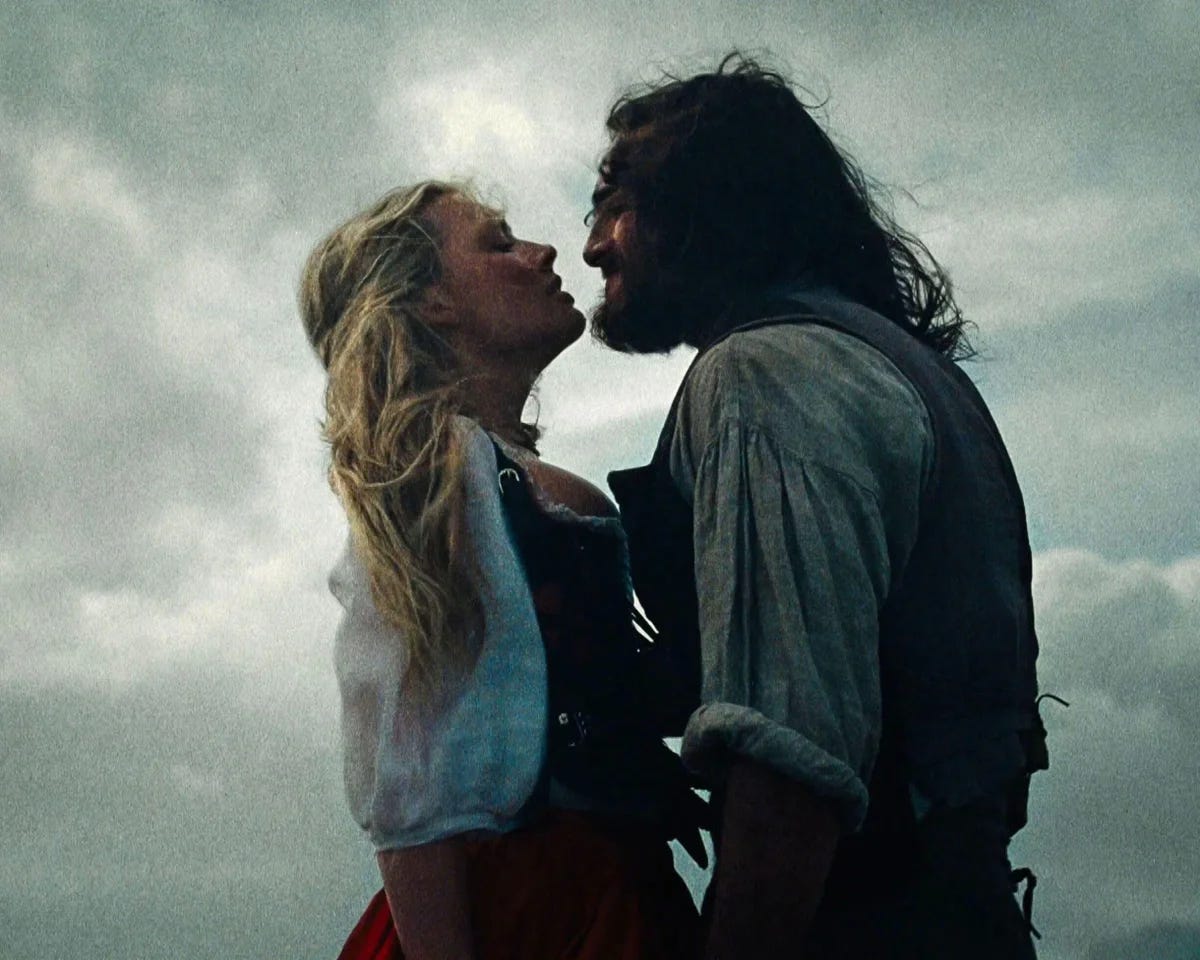
What I ultimately admired about this adaptation is that it captures the essence without drowning in excess. It modernises through pacing and emotional framing rather than gimmick. The tension lingers. The silences stretch. The longing feels contemporary without betraying its roots.
Did it tell the entire novel? No. But did it capture the oxygen-and-poison nature of Catherine and Heathcliff’s love? I believe it did.
I left the cinema slightly exasperated — why didn’t they just speak? Slightly amused at the melodrama. And quietly unsettled, because I recognised something painfully human in their downfall.
They loved deeply. They misunderstood quickly. They forgave too late.
Some romances comfort me.
This one bruised me — and I’m glad it did.